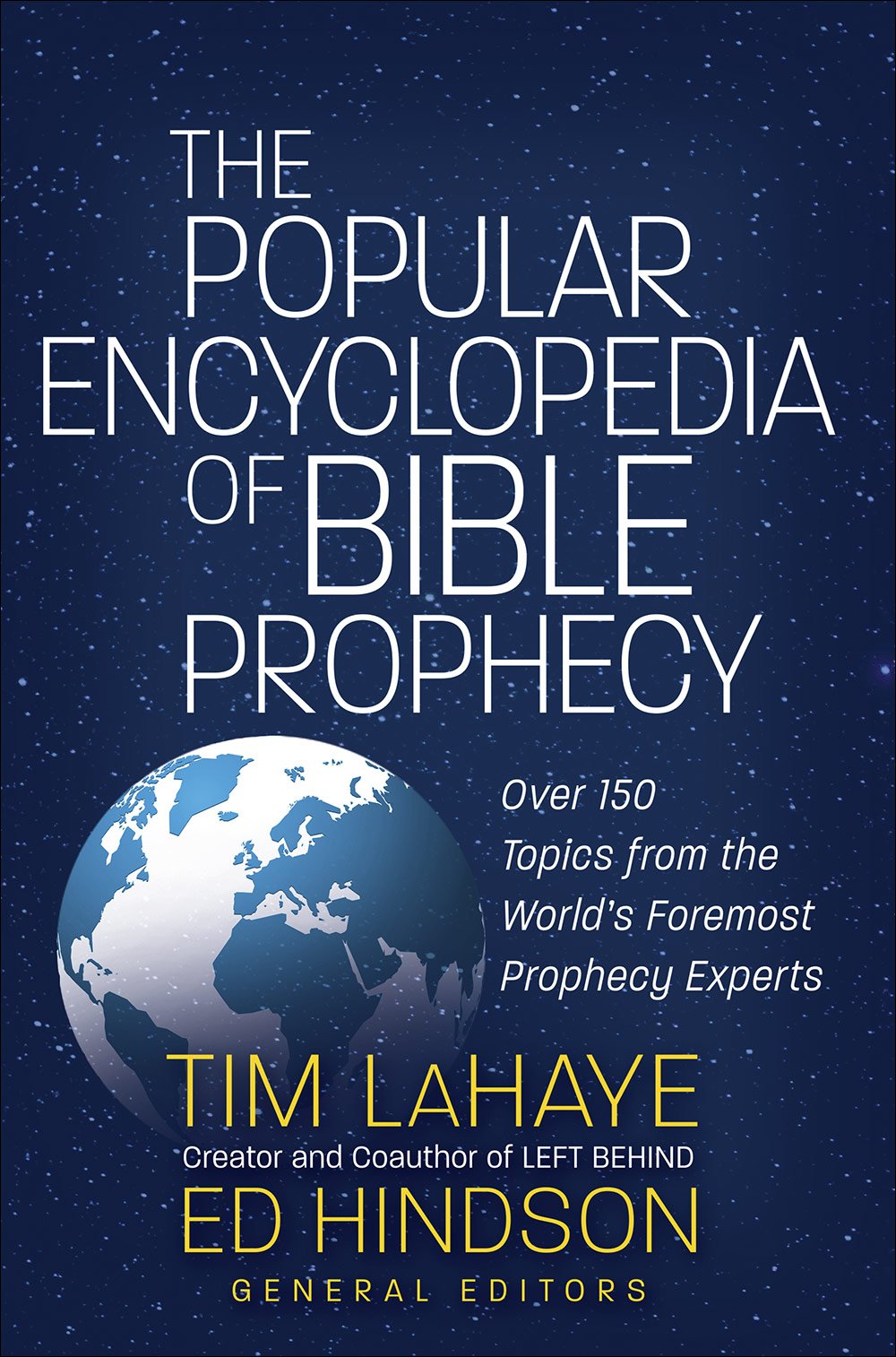
THE POPULAR ENCYCLOPEDIA OF BIBLE PROPHECY
MESSIANIC PROPHECY
An online Bible dictionary for Messianic Prophecy defines these as Old Testament predictions about a coming Anointed One (Messiah, Jesus) who would deliver Israel, establish righteousness, and bring salvation, covering details like his virgin birth (Isaiah 7:14), Bethlehem birth (Micah 5:2), betrayal for silver (Zechariah 11:12), crucifixion (Psalm 22:16), resurrection (Psalm 16:10), and divine attributes, all fulfilled by Jesus Christ as detailed in the New Testament, forming a core of Christian theology. Websites like Bible Hub, Jewish Voice, and Messianic.org offer lists and explanations.
Key Messianic Prophecies & Fulfillment (Examples)
-
Virgin Birth: Isaiah 7:14 (Virgin would bear “Immanuel”); fulfilled by Jesus (Matthew 1:18-25).
-
Birthplace: Micah 5:2 (Born in Bethlehem); fulfilled by Jesus (Matthew 2:1-6).
-
Betrayal: Psalm 41:9 (Betrayed by a friend); fulfilled by Judas (Matthew 26:49-50).
-
Price of Betrayal: Zechariah 11:12 (Sold for 30 pieces of silver); fulfilled by Judas (Matthew 27:3-10).
-
Crucifixion: Psalm 22:16 (Hands and feet pierced); fulfilled by Jesus (John 19:28, 35).
-
Resurrection: Psalm 16:10 (Not see decay/raised); fulfilled by Jesus (Acts 2:29-31).
Where to Find More Online
-
Bible Hub: Offers explanations and topical links.
-
Jewish Voice Ministries: Provides extensive lists with fulfillment examples.
-
Messianic.org: Features comprehensive lists, including pre-existence prophecies.
-
JW.ORG: Offers a detailed, cited list of prophecies fulfilled by Jesus.